Braintree's Unfair Advantage: Location, Land and What Gets Built Next
 Justin Rollo, Signal Real Estate
Monday, November 2, 2026
Convenient in almost every way
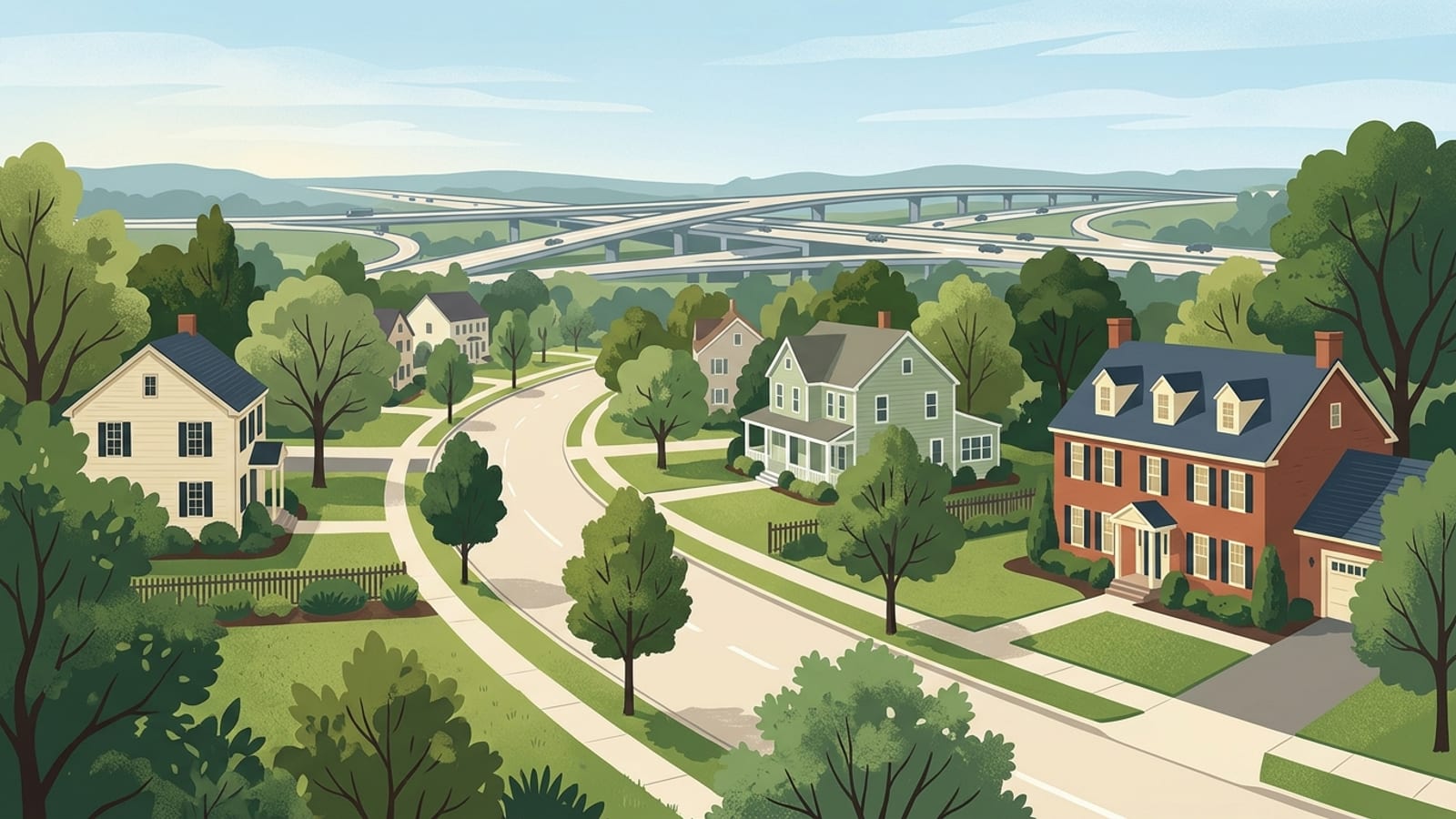
If I had to describe Braintree in a few sentences, I'd say it is convenient in almost every way. We're very close to Boston, but you're still far enough out that you don't get the intense congestion you see in some of the surrounding communities. Quincy, for instance, is right on the doorstep of Boston, and it has become extremely congested. Braintree still has a bunch of older neighborhoods with a little more space in them, where the lots are a little bigger. There's always pressure at the state level to build, build, build and increase density. Braintree has grown, but it has kept a suburban feel, which is great.
Then there's access. It's extremely convenient to drive into Boston. We're on the Red Line, not just the commuter rail, and there's commuter rail from Braintree too. Add in Route 3, Route 95 and 93, and you have all of these different access points that let you get to different locations easily.
Room left to grow
That location is why I think Braintree has to be one of the few on the short list of communities that still have room to increase in property value. It has gone up a lot over the recent years, but it's still not at anything close to the level of Needham. With the right development decisions, the right infrastructure decisions, and continued investment in schools (we are going to need a new high school at some point), I think Braintree can grow exponentially in terms of the value it provides the people who already own homes here.
The speed of development is the real question
I don't think the biggest factor in Braintree's future is one decision. It's the speed at which higher density development is allowed, and what kind of development it is. There are good things that happen when you build housing in a community, and there are drawbacks. Everybody gets stuck in their own lane, either anti-development or pro-development, when really it is such a gray area.
There has been a big push to get back to commercial. Commercial property has had some weakening demand, and with everybody returning to office, we'll see how that goes. AI is another unanswered question. If the workforce is changing, how does that change commercial real estate?
On the housing side, I personally think big rental apartment complexes give the least back to the community. I like ownership opportunities, and condos are a good stepping stone to homeownership. The unfortunate thing is that rental complexes are where most development is landing, because that's where developers can make the numbers work in the current macroeconomic conditions. We have seen some weakening on the residential rental side, so maybe that won't be the case forever.
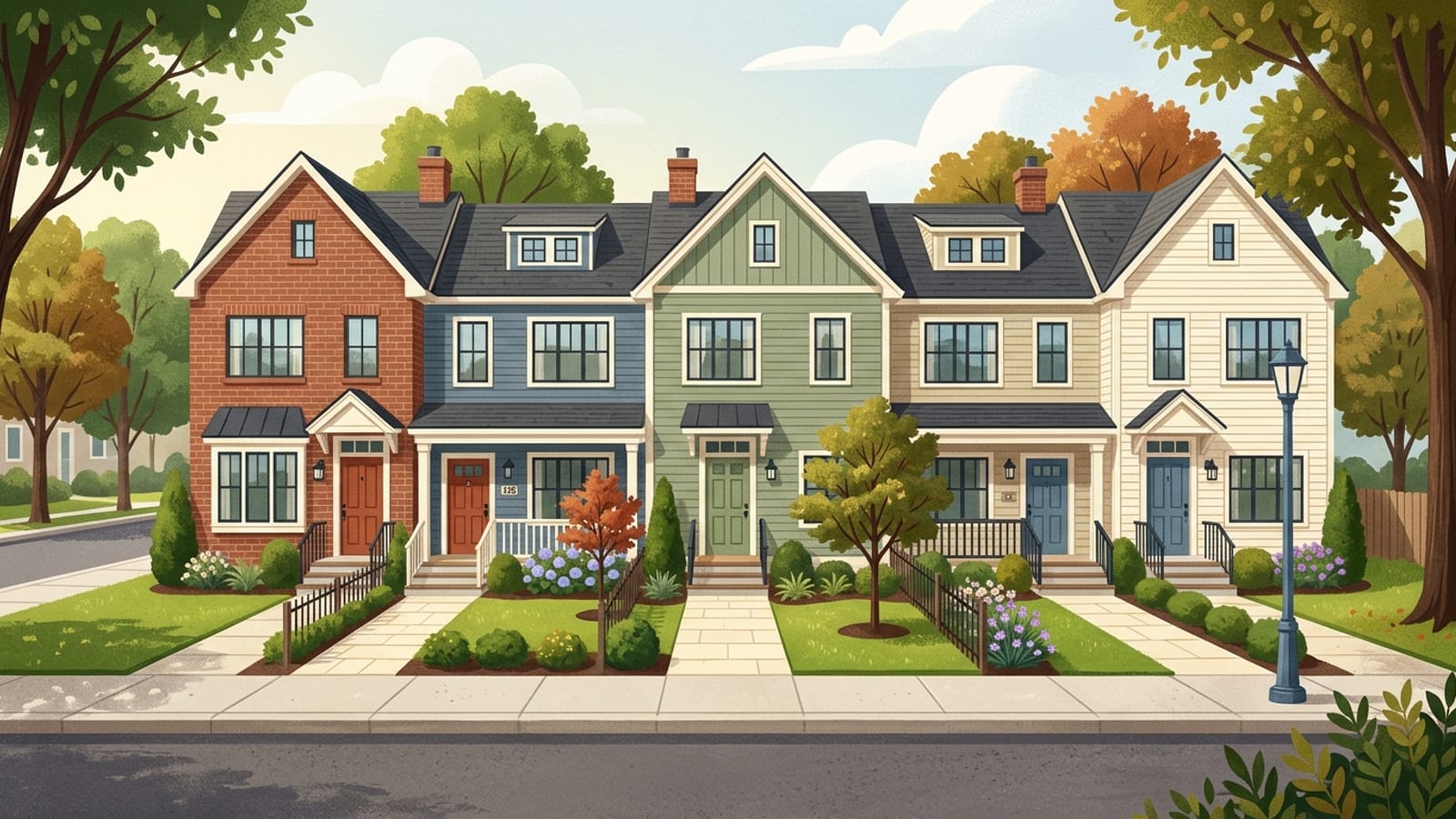
If I'm making decisions, I'm trying to bring ownership opportunities in, whether that's starter homes, townhomes or smaller homes. Or I'm pushing commercial office and retail, and I'm staying away from distribution centers that put a heavy load on the infrastructure. It's tough, because as a municipality you're just looking for growth, and you kind of take what comes.
Pre-entitlement: a way to shape what comes
One tool I don't think towns are thinking about enough is pre-entitlement.
Private buyers do this a lot. They put a parcel under contract, go through the entitlement process, and sell the contract with the approval. I don't know of a specific municipal example, and I would love to research whether communities have done it. But I think municipalities should be proactively exploring it. It streamlines the sale of town land, and for cash-strapped towns, giving a developer that certainty helps you get the highest and best offer. It's a way to control what comes in implicitly, without having explicit control over what ends up there.
What's actually left to build
There's some town land, like older school buildings, that could be sold. Beyond that, the question becomes what commercial space gets redeveloped. Does residential get added on Grossman Drive at some point? Does Wood Road turn into a mixed-use corridor? A lot of Braintree is established single-family neighborhoods that realistically won't change aside from accessory dwelling units, which we are seeing built here. Even the state-level zoning ballot question this November, which would basically allow a single-family lot of 5,000 square feet with 50 feet of frontage, doesn't necessarily unlock much opportunity in a town like Braintree.
Then there's the remote terminal for Logan being built, and the commercial and industrial buildings behind it. We saw in South Boston that land can become so valuable you can't really use it as industrial anymore. Does that happen here? Honestly, it's a flip of a coin. It depends on the value of the land, the value of future development, and the cost of staying in Braintree. I don't think we'll see development all along that corridor in the next 20 to 30 years, but maybe you get another hotel next to the Hyatt, just because of the sheer number of vehicles going in and out of that terminal.
Ultimately, you have to look at larger trends. Do we keep flocking toward the cities, or does something like high-speed rail from Worcester change that? I think that will determine how dense Braintree ends up being.